
Frequently Asked Questions
WHAT IS AN INSULATED GLASS UNIT?
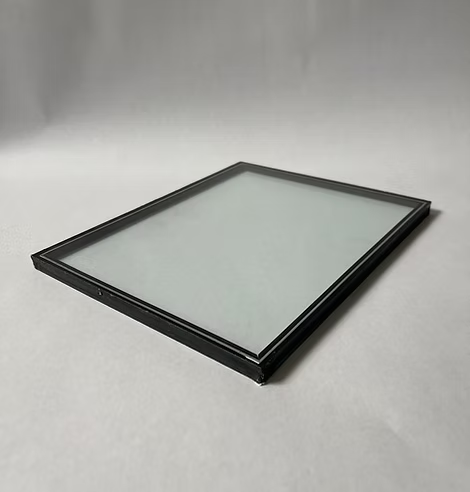
An IGU is a sealed window unit made up of two or more panes of glass separated by a spacer and sealed around the edges. The space between the glass is filled with air or gas (like argon) to improve insulation.
What are the benefits of insulated glass?
-
Improved energy efficiency
-
Reduced noise
-
Better temperature control
-
Lower utility bills
-
Less condensation
HOW IS AN IGU DIFFERENT FROM REGULAR SINGLE-PANE GLASS?
Single-pane glass only has one sheet, so it doesn’t insulate well. An IGU creates a barrier between outside and inside temperatures, which helps keep your space comfortable year-round.
WHAT TYPES OF GLASS CAN BE USED IN IGUS?
-
Clear
-
Low-E (Low Impassivity)
-
Tempered or Safety Glass
-
Tinted or Reflective Glass
-
Historical or Textured Glass
Each type has different energy or safety benefits.
TRUE DIVIDED LITES (TDL) VS. SIMULATED DIVIDED LITES (SDL):
True Divided Lites (TDL) and Simulated Divided Lites (SDL) are two methods of creating the appearance of multiple panes of glass within a single window sash.
TRUE DIVIDED LITES (TDL)
Definition:
Each individual pane of glass is separated by actual muntin bars (the strips that divide the glass).
Construction:
-
Multiple small panes of glass are glazed individually into the frame.
-
Each pane is truly separate.
Advantages:
-
Authentic, traditional look (especially valuable in historic restorations).
-
True to architectural heritage.
Disadvantages:
-
More expensive to fabricate and install.
-
Less energy-efficient (more potential for air leakage between panes).
-
Harder to clean due to multiple individual glass panes.
SIMULATED DIVIDED LITES (SDL)
Definition:
A single pane of glass is divided visually using applied muntin bars on the exterior and/or interior surface, often combined with a spacer bar between the panes (for double/triple glazing).
Construction:
- One insulated glass unit (IGU) with muntin grids adhered to the glass surfaces.
- Often includes a spacer bar between the glass layers to simulate depth.
Advantages:
- More energy-efficient (single sealed IGU).
- Easier to clean (fewer actual joints).
- More affordable than TDL.
- Can closely mimic the look of TDL, especially with interior/exterior bars plus spacer.
Disadvantages:
- Not as historically accurate.
- Less depth and dimension in the muntins compared to true divided lites.
- May not be acceptable for certain preservation projects.
Still have technical questions or require assistance for your specific project?